• Energy Policy Seminar: “Electrification of Heating and Transport: Uncovering the Pivotal Role of User Behavior”

    Energy Policy Seminar
    Rubenstein Building 414AB 79 John F. Kennedy St., Cambridge, MA, United States

    Join us for an Energy Policy Seminar featuring Christine Gschwendtner, Postdoctoral Research Fellow at the Belfer Center's Environment and Natural Resources Program and the Science, Technology, and Public Policy Program. Gschwendtner will give a talk on "Electrification of Heating and Transport: Uncovering the Pivotal Role of User Behavior." Q&A to follow. Buffet-style lunch will be served. Registration: No RSVP is required. Room capacity is limited and seating will be on a first come, first served basis. The seminar will also be streamed via Zoom. Virtual attendees should register using the button below; upon registering, attendees will receive a confirmation email with a Zoom link. Recording: The seminar will be recorded and available to watch on this page (typically one week later). Those who register for this event will automatically receive a link to the recording as soon as it becomes available. Accessibility: To request accommodations or who have questions about access, please contact Liz Hanlon (ehanlon@hks.harvard.edu) in advance of the session. Sponsors: The Belfer Center's Environment and Natural Resources Program, the Mossavar-Rahmani Center for Business and Government, the Harvard University Center for the Environment, the Salata Institute for Climate and Sustainability

  • Workshop: Botanical Cyanotype

    Arnold Arboretum

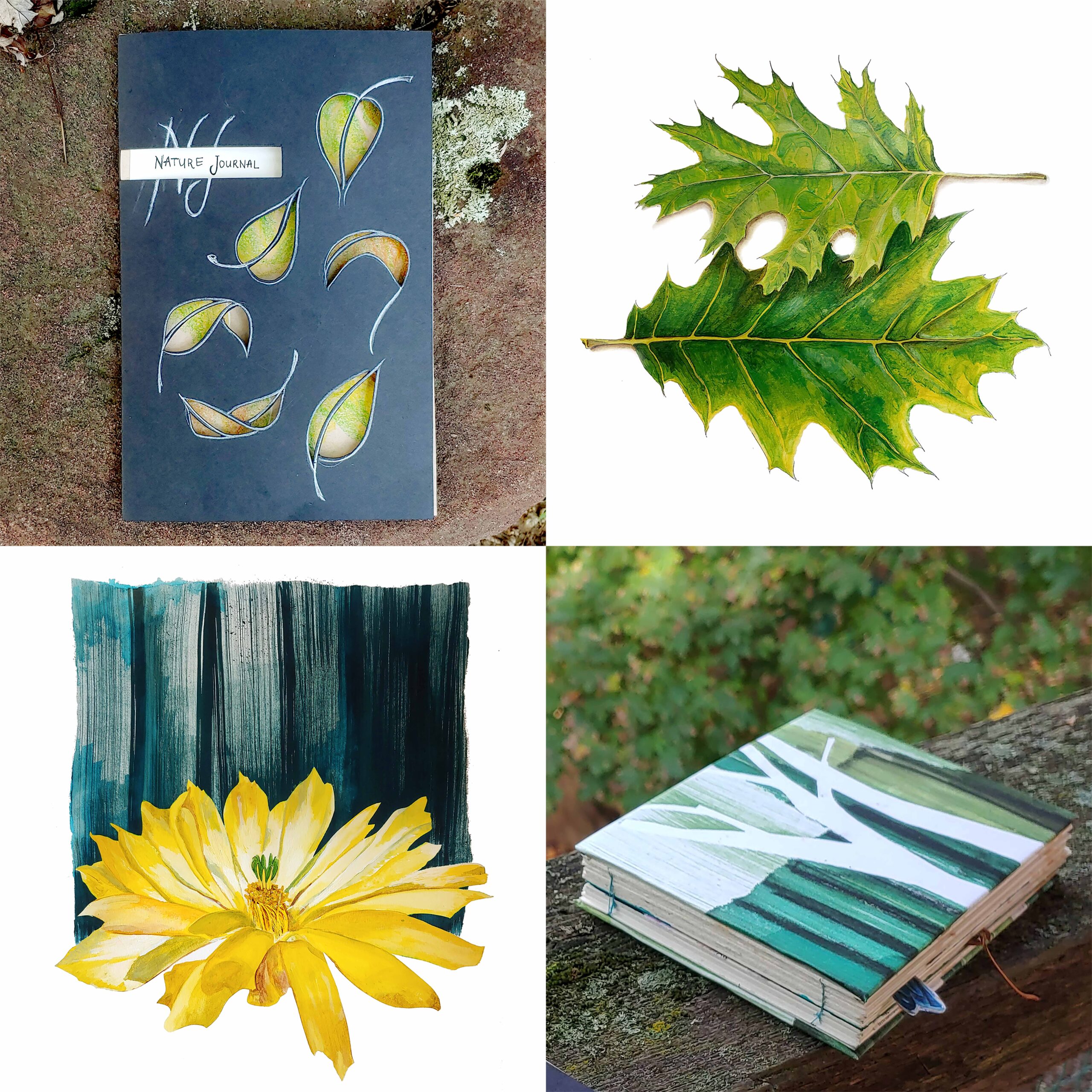
    Make beautiful seasonal cards and prints using the alternative photography method known as Cyanotype. Participants will collect leaves and seeds in the landscape and arrange them on special paper to create a deep blue print with bright, ghost-white silhouettes. This historic photography method offers participants the ability to perform something that seems like magic.

  • Energy Policy Seminar: “Economic Challenges to Rapid Energy and Deforestation Transitions”

    Energy Policy Seminar

    Join us for an Energy Policy Seminar featuring Leon Clarke, Director of Decarbonization Pathways at the Bezos Earth Fund. In a talk entitled "Economic Challenges to Rapid Energy and Deforestation Transitions," Clarke will discuss the work necessary to analyze and implement large-scale decarbonization from a philanthropic perspective. Q&A to follow. Buffet-style lunch will be served.

  • Arctic Methane Emissions: Uncertainty and the Value of Better Information; Plus: COP28 preview

    Climate Research Workshop Series
    Harvard Kennedy School 79 John F. Kennedy St, Cambridge, MA, United States

    The Salata Institute’s Climate Research Workshops bring Harvard University faculty together to present and discuss recent climate-related research papers and scholarly publications. Faculty will learn about current research taking place across Harvard, engage in interdisciplinary dialogues, and forge connections and research collaborations. The Fall 2023 Workshops will primarily focus on methane emissions and mitigation, led by the Salata Institute’s Climate Research Cluster on Reducing Global Methane Emissions.

  • Where are the emissions: Unravelling small and large methane sources in the US oil and gas sector

    Pierce Hall 29 Oxford Street, Cambridge, MA, United States

    Worldwide concerns over the catastrophic impacts of unmitigated climate change have motivated governments, industry, and interested stakeholders toward the development, adoption, and implementation of strategic actions to quickly reduce the global emissions of climate warming pollutants. This presentation will unpack the past decade of scientific research on US oil and gas methane emissions, exploring the various methane emissions measurement approaches across multiple spatial scales as well as the major themes in the literature regarding the characteristics of facility-level methane emissions, basin-to-basin variability, and the relative importance of small methane sources compared to large methane emitters.

  • Salata Institute Climate and Sustainability Expo

    Gutman Conference Center 6 Appian Way, Cambridge, MA, United States

    Harvard University is deeply committed to supporting sustainability efforts and finding effective and equitable solutions to climate change. The Climate and Sustainability Expo is a new collaborative effort across Harvard schools to connect organizations focused on climate, sustainability, and the environment with Harvard undergraduates, graduate students, and alumni. This event is hosted by the Harvard FAS Mignone Center for Career Success (undergraduate, MA/MS, and PhD) in partnership with the Salata Institute for Climate and Sustainability, Harvard School of Engineering & Applied Sciences, Harvard Business School, Harvard Divinity School, Harvard Graduate School of Design, Harvard Graduate School of Education, Harvard Kennedy School, Harvard Law School, Harvard T.H. Chan School of Public Health, and Harvard Medical School.

  • Conifer Walk

    Arnold Arboretum

    What is a conifer, exactly? How is it different from an evergreen, or a gymnosperm? Join docent Paul Eldrenkamp as he leads us through the different types of conifers and how to identify them, the reasons behind their distinctive needle-like forms, and their rise and fall in evolutionary history.

  • Ferrari: Shifting to Carbon Neutrality – A Live Cold Call Podcast Interview

    Virtual

    Live Cold Call podcast interview with host Brian Kenny, Harvard Business School Chief Marketing & Communications Officer, case author Professor Raffaella Sadun, and Ferrari CEO Benedetto Vigna. Join in the Live Online Classroom for this special live podcast event to discuss the "Ferrari: Shifting to Carbon Neutrality" case and its lessons. We'll reserve time at […]

  • International Mitigation Finance: Carbon Mitigation, Welfare, and Optimal Recipient Design

    Pierce Hall 29 Oxford Street, Cambridge, MA, United States

    Naixin Huang is a Ph.D. candidate in economics from Tsinghua University. Her research with HCP research associate Dr. Mun S. Ho and visiting Prof. Jing Cao focuses on the global carbon price floor's welfare effects and optimal design. The 2°C goal is challenging to reach, and it will be essential to consider the international differences in mitigation costs and benefits. IMF (2021) proposes a system of global carbon prices in which countries at different economic levels assign different carbon prices. Using a global trade model, she and colleagues seek to illustrate the impact of such a differentiated price floor system. Then, they seek an alternative design for the worldwide carbon price floor. Besides the global carbon price floor, she and visiting Prof. Jing Cao also researched international climate finance’s welfare effects and optimal design.

  • Foraging Walk: Tea Time at the Arboretum

    Arnold Arboretum

    Join us for a winter foraging walk to learn what wild plants can be foraged and brewed into tea. Visit some of the Arboretum's tastiest winter plants, from sweet birch and sweet fern to sassafras and spicebush. You may even get to taste some of the teas yourself!

  • Rising Tides: Integrating Situated Visualization, Augmented Reality, and Public-Participation Technology to Create an Accessible Platform for Localized Climate Change Visualization and Discourse

    Zoom

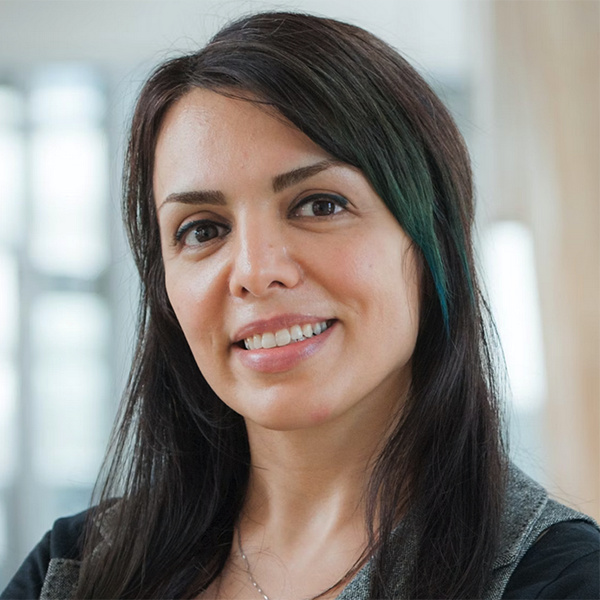
    Narges Mahyar is an assistant professor at the Manning College of Information and Computer Sciences, University of Massachusetts Amherst, whose research is situated at the intersection of human-computer interaction, information visualization, social computing, applied machine learning, human-centered artificial intelligence, and design. She applies a community-centered design approach to build novel social computing and visualization tools to empower the general public to engage in real-world sociotechnical issues, such as urban planning and climate change, by enabling them to share their ideas and comments for shaping future policies.

    In this lecture, Mahyar will speak about her project to discover innovative techniques to integrate situated visualization, augmented reality, and civic technology to design and build a mobile platform that simulates the localized impact of climate change, thereby providing Boston residents with an immersive experience of climate change visualizations and empowering them to contribute comments and ideas on climate change issues. The platform will benefit the movement towards more equitable resilience by creating new opportunities for the public, especially the underserved communities, to raise their voices and join the discourse.

    Her recognition in the field has been repeatedly confirmed through many accolades for her research, including seven best or honorable mention paper awards from top conferences in her field. She holds a PhD in computer science from the University of Victoria. She was a postdoctoral fellow in the Computer Science department at the University of British Columbia from 2014 to 2016 and in the Design Lab at the UC San Diego from 2016 to 2018.